
What Causes “Flashing” and Roller Marks on Walls – and How to Prevent Them
You just finished painting a room. The color is beautiful, but once the light hits the walls, something looks off. Some areas appear shinier than others. You notice streaks where the roller passed. Certain spots even look patchy.
If you’ve experienced paint flashing on walls, roller marks after painting, or wondered why paint looks patchy, you’re not alone. These are some of the most common interior painting issues homeowners face. The good news? They’re preventable with the right preparation and technique.
At Premier Painting, achieving a smooth, consistent finish is always the goal. Here’s what causes these problems and how professionals avoid them.
What Is Paint Flashing?
“Flashing” happens when sections of a wall reflect light differently, creating noticeable dull or shiny patches. Even though the color is the same, the sheen appears uneven.
Flashing is usually caused by:
- Uneven Surface Porosity: Areas that were patched, repaired, or sanded absorb paint differently than the surrounding wall.
- Skipping Primer: Primer seals the surface so the topcoat dries uniformly.
- Inconsistent Application Thickness: Thin spots dry differently than heavier areas.
- Touch-Ups After Drying: Spot painting over fully dried paint can leave visible sheen differences.
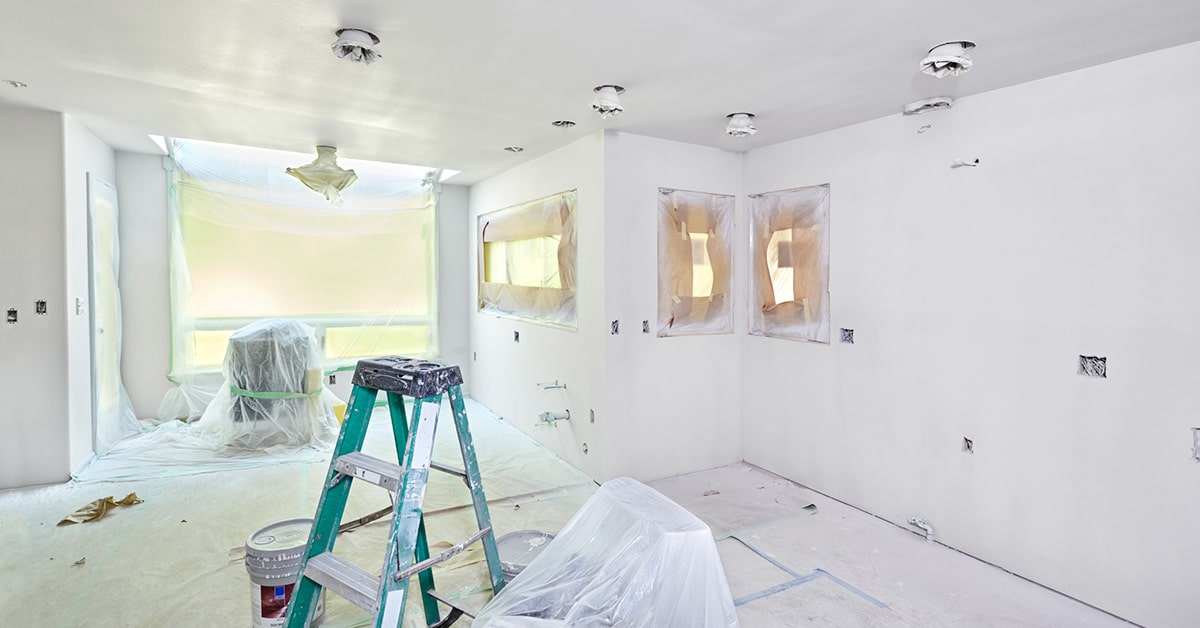
The best way to prevent paint flashing on walls is proper surface preparation. That means cleaning, repairing damage, sanding smooth, and priming when needed. Our professional residential interior painting services focus heavily on prep work because that’s what creates long-lasting, uniform results.
Why Do Roller Marks Appear?
Few things are more frustrating than seeing roller marks after painting. These streaks or lines typically result from technique or tool issues.
Common causes include:
- Letting sections dry before blending into the next (not maintaining a “wet edge”)
- Pressing too hard on the roller
- Using the wrong roller nap for the wall texture
- Low-quality roller covers
- Overworking partially dried paint
Professional painters work in consistent sections, use the correct roller nap for smooth or textured walls, and apply even pressure throughout the process. They also use high-quality paint designed to level as it dries, reducing visible marks.
If you’re unsure which materials or techniques are right for your project, our experienced team can help guide you through the process or handle the job entirely. You can learn more about our approach on our Interior Painting Services page.
Why Does Paint Look Patchy?
When paint looks blotchy or uneven in color, the root issue is often uneven coverage or absorption.
Patchy paint can result from:
- Painting over dark colors without proper priming.
- Applying paint too thin.
- Not allowing sufficient drying time between coats.
- Inconsistent lighting while painting.
Most interior projects require at least two full coats for even color saturation. Rushing the process can lead to visible variations once the paint dries.
Professional painters also evaluate lighting conditions because natural and artificial light can dramatically reveal imperfections.
A Flawless Finish Starts with Preparation
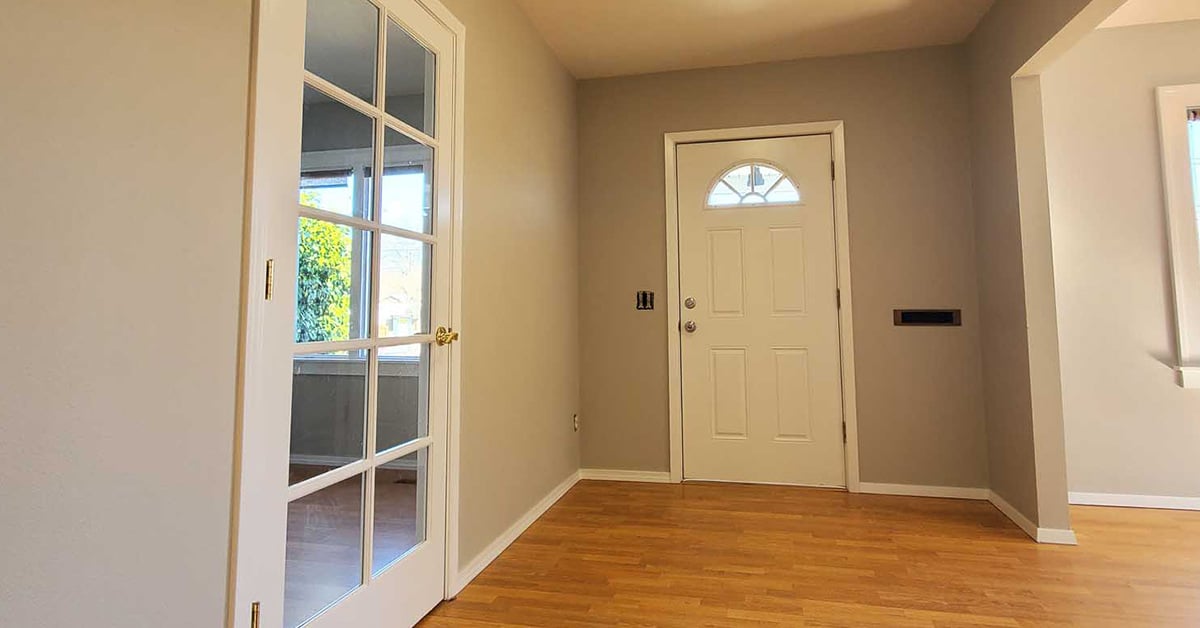
Smooth, even walls don’t happen by accident. They’re the result of careful prep, quality materials, and skilled application. Whether you’re refreshing one room or repainting your entire home, investing in professional craftsmanship ensures the final result looks beautiful from every angle.
If you’re ready to avoid flashing, roller marks, and patchy walls altogether, contact Premier Painting today for a consultation. A flawless interior finish is closer than you think.